
Imitation Wool Fabric: Definition, Characteristics, and Market Prospect Analysis
Imitation wool fabric (also known as synthetic or faux wool), as the name suggests, is a type of fabric that mimics wool textiles in appearance, hand feel, and performance. It is typically made from synthetic fibers or blended fibers and undergoes special processing techniques to achieve a texture and effect similar to natural wool fabrics.
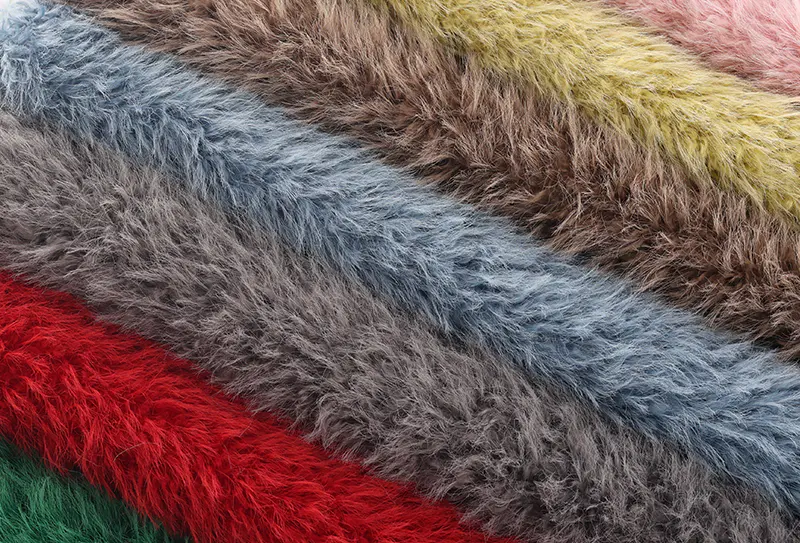
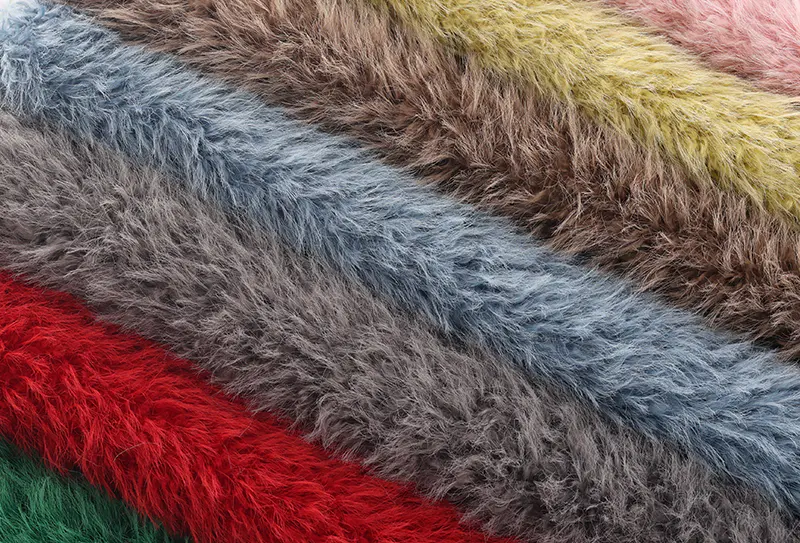
Imitation wool fabric possesses several distinct characteristics. First, regarding cost, it is more affordable than real wool, giving it a competitive price advantage in the market. Second, in terms of maintenance, imitation wool is relatively easy to care for; unlike real wool, it does not require special washing or maintenance methods. Furthermore, it offers a richer and more diverse selection of colors and patterns, capable of meeting the personalized needs of different consumers.
From a performance perspective, imitation wool performs well in warmth retention, effectively resisting cold weather to a certain extent. At the same time, it boasts good abrasion resistance and wrinkle resistance, resulting in a longer service life.
Market Outlook for Imitation Wool Fabric
In recent years, with the improvement of living standards and shifts in consumption concepts, the demand for clothing and home decor has been constantly changing. Due to its high cost-performance ratio and diverse styles, imitation wool fabric is being used increasingly widely in the clothing sector. For example, autumn and winter coats, trousers, and skirts can all be made from imitation wool, satisfying the need for warmth while showcasing a fashionable aesthetic.
In terms of home furnishings, products such as sofa covers and curtains made from imitation wool are also highly favored by consumers. Their rich variety of colors and patterns can add a warm and comfortable atmosphere to the home environment.
To more intuitively demonstrate the market prospects of imitation wool fabric, here is a simple comparison table:
| Comparison Item | Past | Present | Future Forecast |
| Market Demand | Relatively Low | Gradually Rising | Continuous Growth |
| Application Areas | Mainly concentrated in clothing | Expanded to home decoration, etc. | Expected to expand to more industries |
| Technological Innovation | Relatively simple | Constant improvement | Will focus more on eco-friendliness and functionality |
However, the imitation wool market also faces certain challenges. For instance, market competition is fierce with a multitude of similar products; enterprises need to continuously innovate and improve product quality to distinguish themselves. Meanwhile, as consumer awareness regarding environmental protection and health continues to rise, imitation wool manufacturers need to improve raw material selection and production processes to meet these evolving demands.
Overall, imitation wool fabric has broad market prospects. With continuous technological advancements and changing consumer needs, the imitation wool industry is expected to embrace greater development opportunities. However, enterprises must keep pace with market trends and continuously innovate and optimize their products to stand out in this fiercely competitive market.